Our Vision and Impact
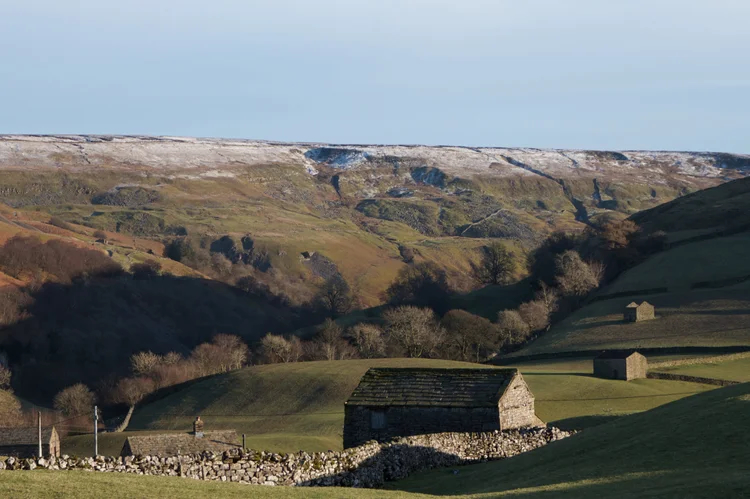
At Keld Heritage Centre we work to preserve and promote the unique heritage and environment of Upper Swaledale for the benefit of the local community, visitors, and the rural economy.
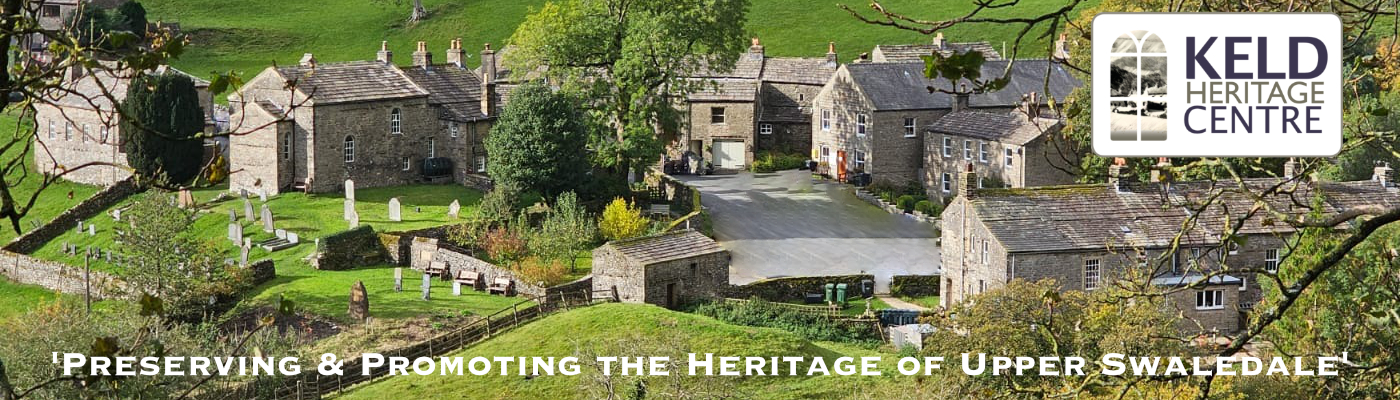
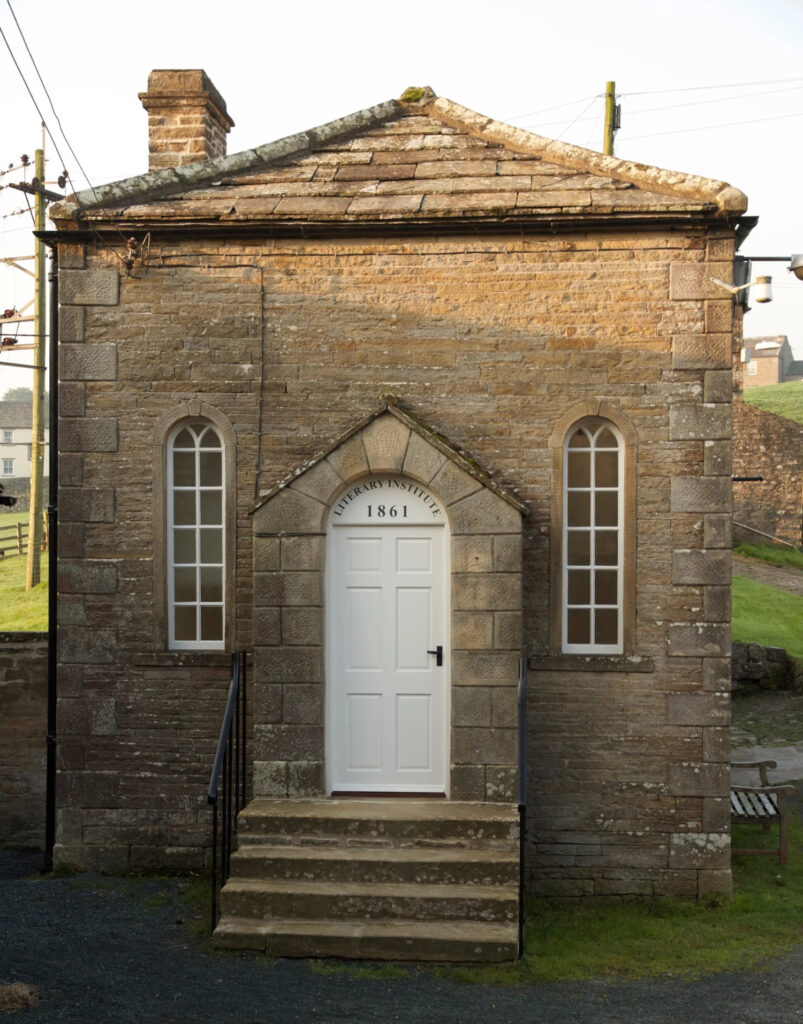
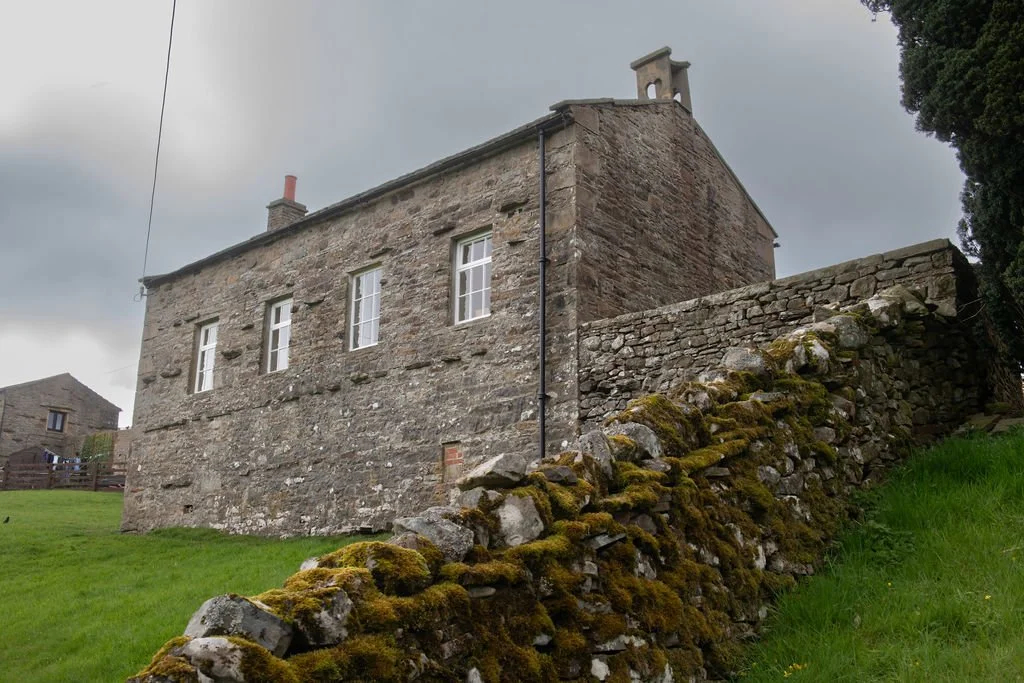
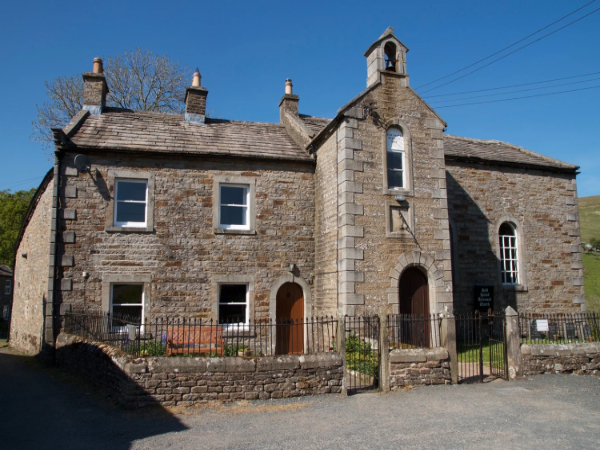
Our origins developed from the community’s desire to make productive use of three Grade II listed buildings – the former Manse, School and Literary Institute – which lie at the heart of the village.
Owned by the United Reformed Church, these buildings had not been used since the devastating outbreak of foot and mouth disease in 2001.
Rather than see them sold for commercial, residential or private holiday home use, local people were determined to have them restored for the benefit of the whole community and visitors to the area.
Since taking stewardship of these buildings we have been developing a sustainable programme for their restoration and return to use.
This is complemented by activities and events designed to explain and promote the local area and its rich history, and to strengthen our fragile rural economy.
Our impact so far:
- 2022: restoration of the Old School and creation of the Old School Museum to preserve and showcase the heritage and traditions of Upper Swaledale
- 2017: development of a deserted and derelict allotment into the Keld Community Orchard
- 2016: restoration of the former assembly room (the ‘Upper Room’) of the Keld Literary Institute as a flexible and attractive events space, fully equipped with a breakout room/kitchen, modern toilets and a lift to the first floor
- 2012: establishment of a programme of events such as guided walks, craft workshops, exhibitions and lectures involving visitors, local people and schoolchildren to provide opportunities to learn about the area’s rich heritage
- 2011: restoration of the former stables and carriage room below the Literary Institute, at a cost of £60,000 and return to use as the Keld Heritage Centre, designed to educate and inform visitors about the village and its surroundings
- 2010: restoration of the former Manse as a holiday cottage at a cost of £120,000, providing income to support our wider work